The living network beneath every breath

Trees are critical infrastructure for life on Earth.

From oxygen and rainfall to food webs, medicine, shade, soil, and climate stability, trees quietly power the systems that make human civilization possible.

Sunlit layered forest canopy

At a glance

  • Carbon: Trees store carbon in wood, roots, and soil.
  • Water: Forests influence rainfall and filter water.
  • Life: Trees create habitat for countless species.
  • Health: Urban trees cool streets and reduce stress.

Advertisement

Google AdSense Auto Ads enabled
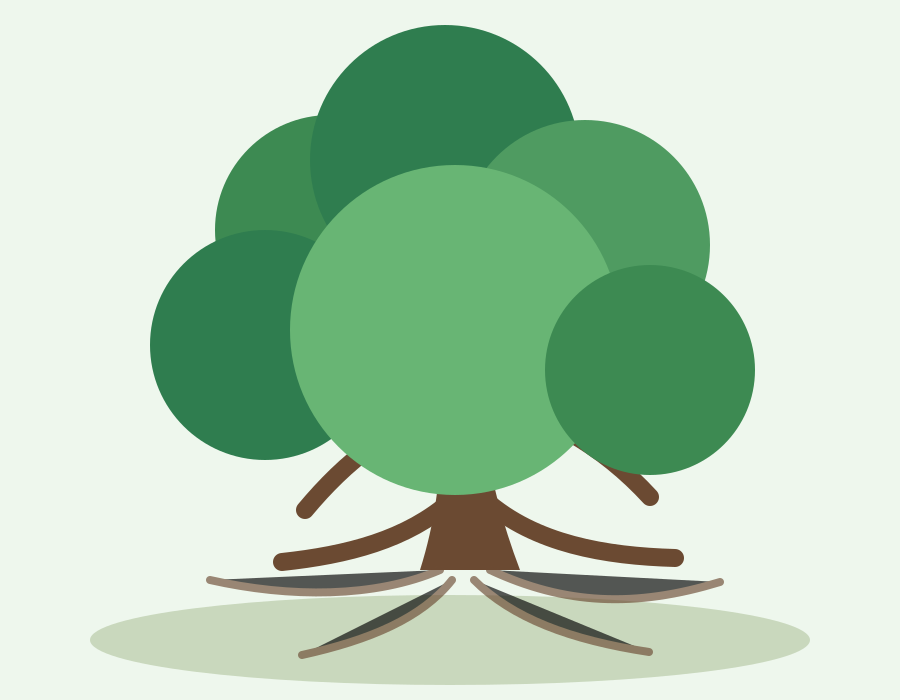
Illustration of a mature oak tree with broad canopy
Mature trees store carbon, cool neighborhoods, and support wildlife.
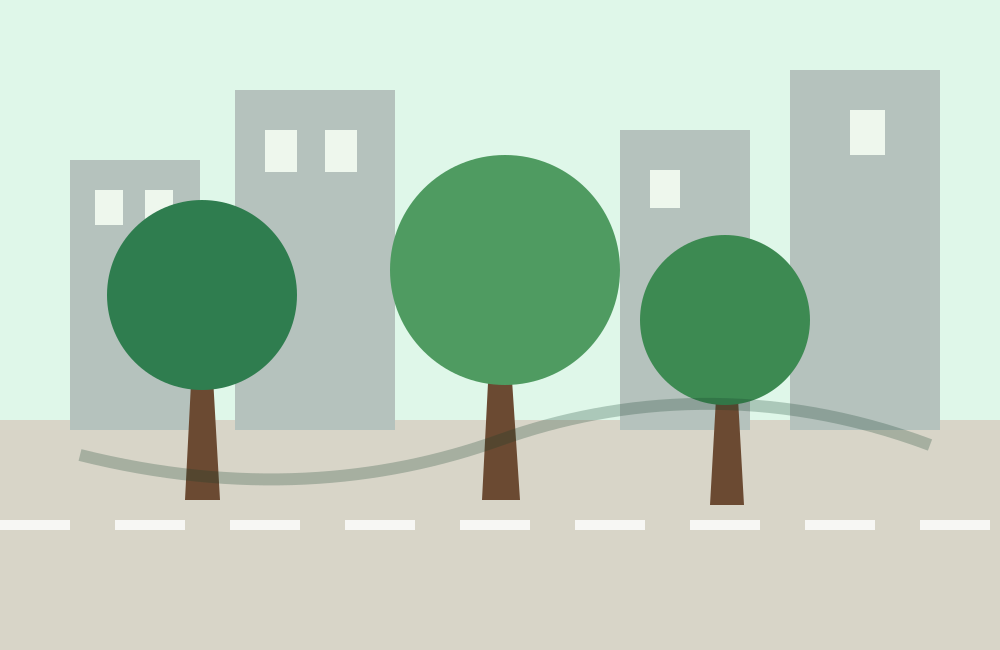
Urban street trees shading buildings
Urban tree canopy lowers heat, improves walkability, and filters air.
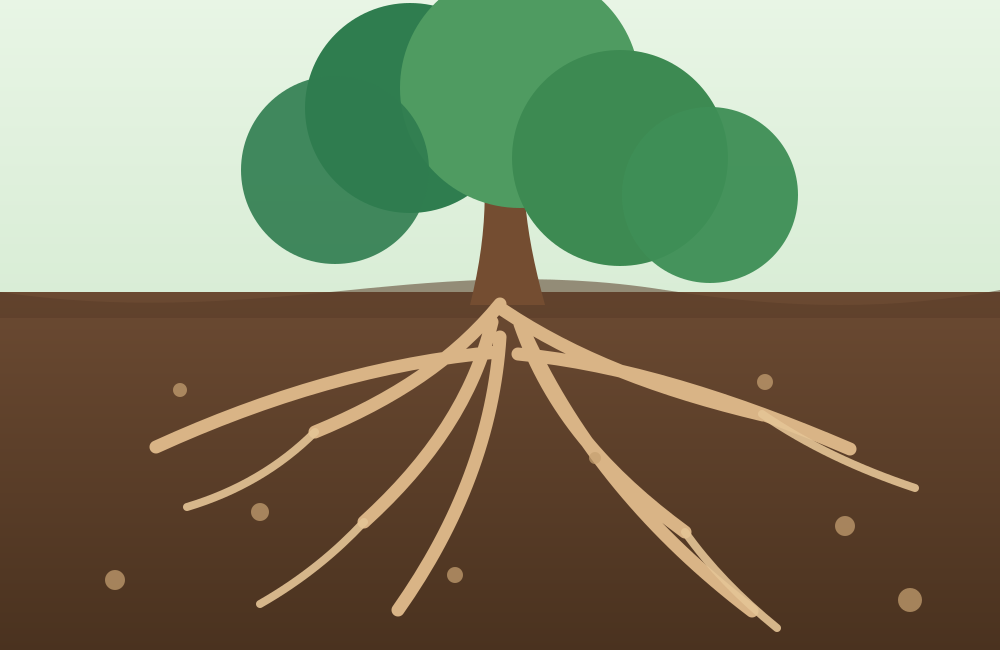
Tree root and soil cross section
Roots protect soil, feed fungi, and help water soak into the ground.

Why trees matter

Forests are planetary life-support systems

Trees are not decoration. They are biological engines that convert sunlight into living matter, stabilize landscapes, and connect atmosphere, soil, water, fungi, insects, birds, mammals, and people into one functioning web.

Oxygen and photosynthesis

Through photosynthesis, leaves use sunlight to combine carbon dioxide and water into sugars, releasing oxygen as a byproduct. Much of Earth’s oxygen also comes from ocean life, but trees remain essential producers of breathable air and organic matter on land.

Climate stability

Trees pull carbon dioxide from the atmosphere and store it for years, decades, or centuries. Healthy forests also cool landscapes through shade and evapotranspiration, reducing heat extremes that threaten people, crops, and wildlife.

Biodiversity habitat

A single mature tree can host insects, lichens, fungi, birds, mammals, and microbes. Forests are layered habitats, from canopy to understory to leaf litter, giving life places to feed, nest, hide, migrate, and evolve.

Water cycles

Tree roots help rain enter the ground instead of racing away as floodwater. Forests filter pollutants, recharge aquifers, release water vapor that contributes to rainfall, and protect rivers from erosion and overheating.

Human benefits

Every community depends on trees

Trees improve quality of life in ways that are measurable and immediate. They lower urban temperatures, soften noise, protect homes from wind, increase walkability, support pollinators, improve air quality, and provide fruit, nuts, timber, fiber, resins, spices, and medicines.

In cities, street trees can make sidewalks safer and more comfortable. In farms, agroforestry systems can shelter crops, improve soil fertility, and diversify income. In watersheds, forested slopes help reduce landslide and flood risk.

Advertisement

Google AdSense Auto Ads enabled

Forest guide

The hidden systems trees protect

Soil: the living foundation

Roots hold soil in place and feed underground communities with sugars. Fungi trade nutrients with trees through mycorrhizal networks, while fallen leaves become organic matter that improves soil structure and fertility.

Food webs: from flowers to predators

Tree flowers feed pollinators, seeds feed birds and mammals, bark shelters insects, and dead wood becomes habitat. When trees disappear, entire food webs can simplify or collapse.

Medicine: chemistry from forests

Many medicines have origins in plants and forest organisms. Protecting tree diversity preserves a vast library of natural chemistry that may help solve future health challenges.

Culture: memory, beauty, and belonging

Trees mark seasons, ceremonies, neighborhoods, and family histories. Ancient trees and sacred groves remind us that conservation is not only technical, but also ethical and cultural.

Timely tree issues

Articles for readers following today’s environmental headlines

These guides connect trees to current issues people are searching for now: dangerous city heat, wildfire risk, invasive pests, and the real value of tree-planting climate claims.

Tree.life digest

Build an audience around practical tree knowledge

This static form is ready to connect to your email platform. Replace the action URL with Mailchimp, ConvertKit, Beehiiv, or your backend endpoint.

Take action

How to help trees thrive

  1. Protect mature trees first. Planting is valuable, but established trees already store carbon and support habitat.
  2. Plant native, climate-suitable species. Local species often support more wildlife and are adapted to regional conditions.
  3. Water young trees deeply. The first years determine survival. Mulch, water, and protect roots from compaction.
  4. Reduce waste and buy responsibly. Choose certified wood and paper, reuse materials, and support forest-positive businesses.
  5. Advocate for canopy equity. Every neighborhood deserves shade, cleaner air, and cooler streets.